

Accidents happen when we least expect them—at home, on the road, or even at work. That’s why a well-prepared first aid kit is one of the smartest health investments any family can make.
At THRIFTCARE PHARMACY, we know that putting together the ideal first aid kit can feel overwhelming: What should you include? Which brands are best? And how do you make sure your kit is useful for everyday cuts as well as unexpected emergencies?
In this pharmacist guide, we’ll walk you through everything you need to know to assemble a kit that keeps you, your family, and even your pets safer—whether it’s a DIY first aid kit for home, a compact emergency kit for travel, or a specialized burn treatment kit.
Let’s dive in!
Why a Good First Aid Kit Matters
First aid is more than bandages and antiseptic. It’s your first line of defense when dealing with unexpected injuries—before you can get professional help. A complete first aid kit helps you:
✅ Manage minor injuries quickly and safely
✅ Reduce the risk of infection through proper basic wound care
✅ Provide comfort and pain relief with overthecounter meds
✅ Address burns, allergies, or insect bites immediately
✅ Stay calm and prepared during real emergencies
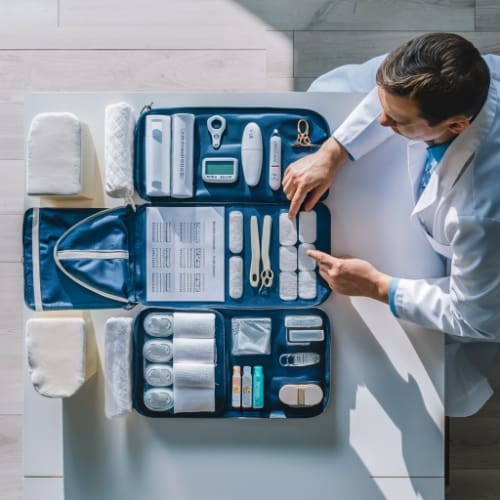
Pharmacist’s Checklist: Kit Essentials
A pharmacist-approved first aid kit includes supplies that cover three key areas:
- Wound care & infection prevention
- Pain relief & symptom management
- Emergency preparedness
Here’s a complete pharmacist first aid list to help you assemble your kit at home:
- Wound Care & Infection Prevention
- Adhesive bandages (various sizes)
- Sterile gauze pads & rolls
- Adhesive tape
- Antiseptic wipes or solution (e.g., chlorhexidine or povidoneiodine)
- Antibiotic ointment for infection prevention
- Tweezers (for splinters or debris)
- Scissors (medical-grade)
- Cotton balls & swabs
Tip: Replace expired supplies every 6–12 months to keep your first aid kit ready.
- OvertheCounter Meds & Relief
- Pain relievers (paracetamol, ibuprofen)
- Antihistamines for allergen relief supplies
- Oral rehydration salts
- Antinausea medication
- Cough lozenges
- Burn gel for your burn treatment kit
Fact: Including both pain relievers and allergy medication turns your basic kit into a complete minor injury kit.
- Emergency Kit Tools
- Digital thermometer
- Cold pack (instant or freezable)
- Elastic bandage for sprains
- CPR face shield or mask
- Emergency contact card
- Waterproof pouch or box for storage
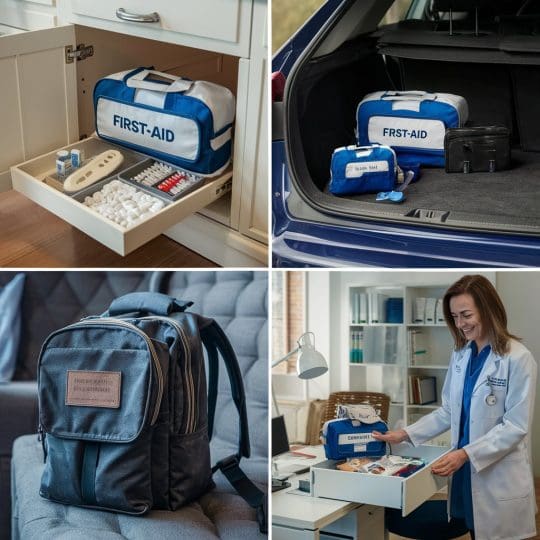
Pharmacist guide tip: Label your kit and keep it in an accessible location known to all family members.
- Specialized First Aid Supplies
Depending on your family’s needs or lifestyle, consider adding:
- Finger splints (sports injuries)
- Eyewash solution
- Motion sickness tablets (for travel kits)
- Sugar tablets (for diabetic family members)
- Extra medications if anyone has chronic conditions
DIY First Aid Kits: Where to Start
Building your own DIY first aid kit can feel more personal—and you can customize it based on your lifestyle:
✅ Families with kids: More adhesive bandages, burn gel, and fever meds
✅ Pet owners: Petsafe antiseptic and bandages
✅ Outdoor lovers: Blister plasters, insect repellent, water purification tablets
Your local pharmacist can help you pick the right first aid supplies so your kit is balanced—not bulky.